


“Experience the depth of flavor in homemade kimchi, it’s not just a side dish, it’s a culinary adventure!”
Kimchi is a staple in many Asian cuisines, but when you make it at home, the results are unbeatable. There’s something incredibly rewarding about fermenting your own vegetables and watching the flavors develop. This homemade kimchi will awaken your senses with its spicy, tangy essence and crunchy texture, making it perfect as a side or main dish. With just a handful of simple ingredients, you’re on your way to a family favorite that’s rich in probiotics and flavor.
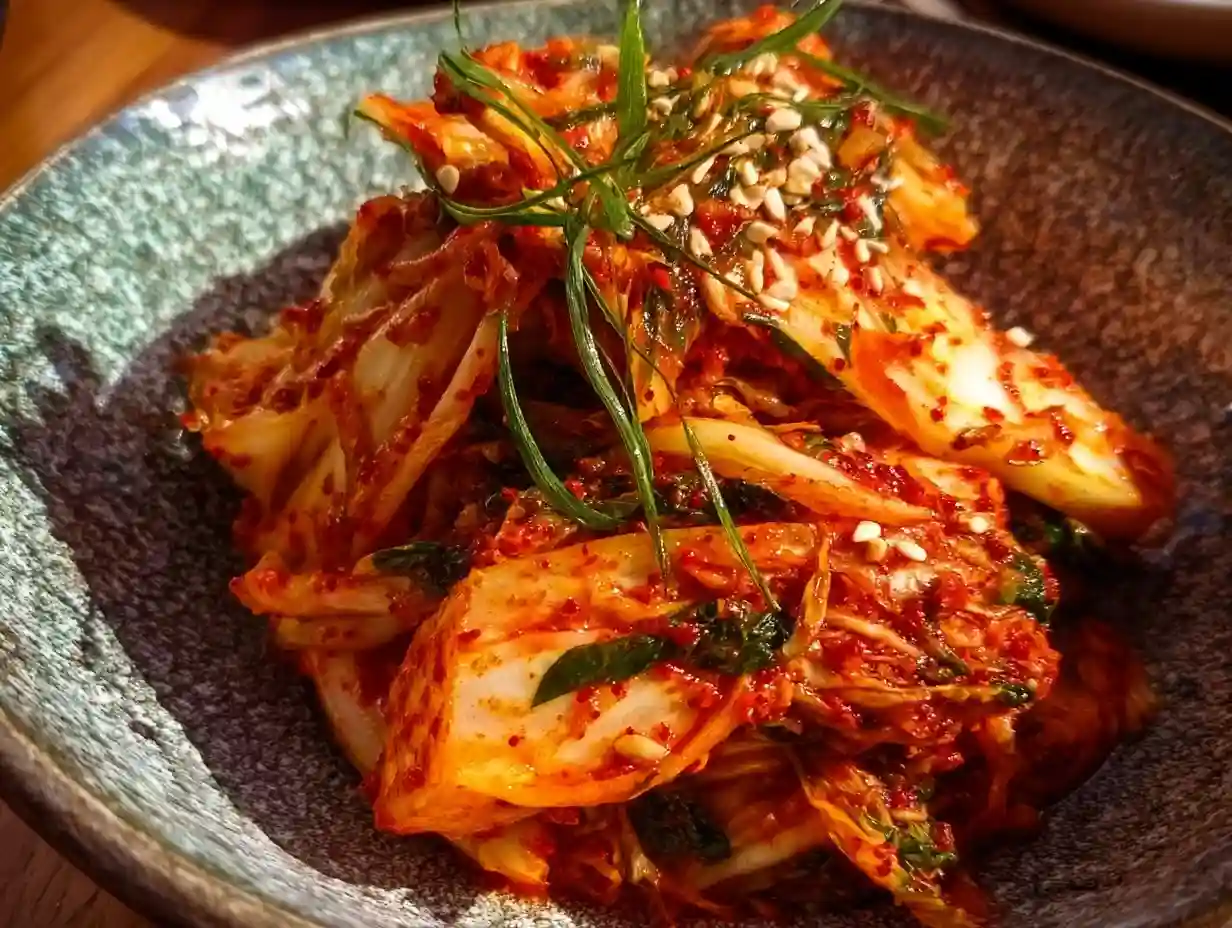
Table of Contents
Why is Homemade Kimchi a Must-Try Right Now?
“Kimchi is not just a dish; it’s a journey into the world of flavors!”
Homemade kimchi is an excellent way to explore the world of fermentation, and it’s filled with gut-friendly probiotics that can greatly benefit your digestion. As the weather gets warmer, the fresh, tangy flavor of kimchi complements your meals beautifully, adding a refreshing crunch. You can use it as a topping for tacos or sandwiches, or simply enjoy it on its own for a healthy snack. This recipe is simple, nutritious, and can easily be customized to cater to your preferred heat level. Pair it with quick salads for a balanced, flavorful meal.
What Ingredients Do You Need to Make Kimchi?
“The simplest ingredients yield the most vibrant flavors!”
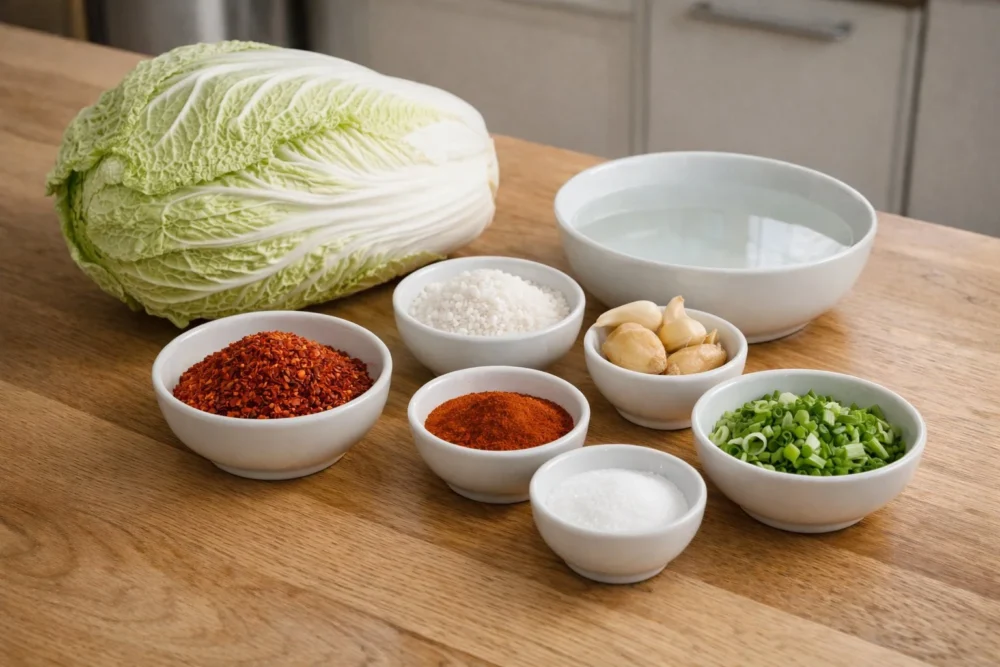
| Ingredient | Quantity |
|---|---|
| Large Napa Cabbage | 1 |
| Coarse Sea Salt | 1/4 cup |
| Roasted Garlic | 4 cloves |
| Ginger, peeled | 1 inch piece |
| Gochugaru (Korean red pepper flakes) | 1/2 cup |
| Smoked Paprika (optional) | 1 tablespoon |
| Sugar | 1 tablespoon |
| Green Onions, chopped | 2 |
| Water (for brining) | As needed |
The star of this recipe is definitely the napa cabbage, which is known for its crispness and ability to absorb flavors beautifully. The roasted garlic brings a caramelized sweetness and nutty taste, while ginger adds a zesty kick. Gochugaru is essential in providing that signature heat and vibrant color, be mindful of its spiciness level.
Another noteworthy component is the smoked paprika, which you can choose to include for an added layer of richness. This flavorful addition introduces a leafiness that beautifully complements the smoky notes from the fermentation process. If you’re looking to balance flavors, consider adding elements like creamy ingredients to offset the spice.
How Do You Make Kimchi Step by Step?
“Follow these clear steps to make the perfect homemade kimchi!”
Step 1: Prepare Your Cabbage
Start by cutting the napa cabbage into quarters and then slicing them into bite-sized pieces. Dissolve the coarse sea salt in enough water to cover the cabbage in a large bowl. Soak the cut cabbage in this salty water for 2 to 4 hours, flipping it occasionally to ensure all the pieces get well-brined.
Step 2: Create the Flavorful Paste
In a blender, combine roasted garlic, ginger, gochugaru, smoked paprika (if using), and sugar. Blend these ingredients until you create a smooth paste that will coat the cabbage beautifully. This flavor bomb is what sets your kimchi apart, giving it that layered taste.
Step 3: Mix the Ingredients
Once the cabbage is brined, rinse it under cold water and drain well to remove excess salty water. In a large mixing bowl, combine the drained cabbage, prepared paste, and chopped green onions. Mix thoroughly until every piece of cabbage is coated evenly with the spicy paste.
| Preparation Time | 20 minutes |
|---|---|
| Brining Time | 2-4 hours |
| Fermentation Time | 1-5 days |
| Total Time | 1 week |
| Nutritional Value (per serving) | Low in calories, high in vitamins and probiotics |
Using your hands can be the best way to ensure all ingredients are well-combined. Be cautious when mixing, as the gochugaru can get quite spicy on your hands. Consider wearing gloves while handling the mixture!
Step 4: Pack and Ferment
Once mixed, pack the kimchi into a clean jar, pressing down to remove air bubbles. Leave some space at the top for fermentation gases to expand. Seal the jar tightly and let it sit at room temperature for 1 to 5 days, depending on your taste preference, shorter time means crunchier and milder flavors, while longer fermentation leads to sour notes. Once fermented to your liking, store it in the refrigerator to slow down the process.
What Makes This Kimchi Unique Compared to Other Recipes?
“This version of kimchi offers a balanced heat without overwhelming the palate!”
The Right Blend of Ingredients
This kimchi recipe uses roasted garlic and ginger, enhancing the flavor profile in ways that elevate it beyond your average version. The gochugaru adds the required heat, while smoked paprika gives a unique smoky undertone that complements the fermented flavors perfectly. These ingredients work in harmony to create a complex taste that will impress your family and friends.
Texture that Stands Out
The texture of your kimchi should be a perfect balance of crunch and tenderness, achieved by brining fresh napa cabbage. This not only softens the cabbage slightly but also allows it to absorb the aromatic seasonings. The result is a vibrant dish that stays crisp, making it enjoyable in various dishes or served on its own.
Fermentation for Flavor Development
Unlike store-bought versions, which often lack depth, this homemade kimchi ferments to develop its taste over days. You can control how sour or spicy you want it to be by adjusting fermentation time, meaning each jar can be tailored to your preference. This approach allows for a full flavor experience that embodies the essence of traditional Korean kimchi. For more fermented delights, you might want to explore other homemade recipes.
Are There Variations and How Do You Serve Kimchi?
“Get creative with variations and serving suggestions!”
Diet Swap
If you’re looking to make this dish vegan-friendly, rest assured that this kimchi recipe is already plant-based. You can enjoy it without worrying about any animal products involved, making it a wonderful option for those following a vegetarian or vegan lifestyle.
Flavor Variation
Feel free to customize your kimchi by adding other vegetables like carrots, daikon radish, or even cucumbers for a unique twist. You can remarkably change the flavor profile by experimenting with different spices, including turmeric or coriander. If you’re eager for more flavor combinations, explore ways to incorporate it into main dishes.
Serving Idea
Kimchi works great as a side dish or condiment to a variety of dishes. Serve it with rice, on top of tacos, or even add it into soups for a spicy kick. You can also enjoy it alongside grilled meats or on a sandwich to elevate your meal.
| Suggested Pairings |
|---|
| Steamed rice |
| Grilled chicken |
| Tacos and burritos |
| Noodle dishes |
| Wraps or sandwiches |
Explore the possibilities! Kimchi lends itself well to numerous dishes, so don’t hesitate to get creative and share your favorite pairings with me.
Final Thoughts on Homemade Kimchi
Making your own kimchi is a fulfilling and fun experience that can awaken your palate and enrich your meals with added nutrients. Your homemade batch can be tailored to suit your family’s tastes and preferences, allowing you to enjoy the health benefits and bold flavors of authentic Korean cuisine. Remember to store it properly in the fridge, your kimchi can last for weeks and just gets better over time.
If you love this recipe, be sure to share your kimchi creations on Pinterest! I’d love to see how you make it your own. Join our community on Pinterest!
FAQ
How long does homemade kimchi last?
Homemade kimchi can last up to 2 to 3 months in the refrigerator. As it continues to ferment, it may become sourer, but this is a natural part of the aging process. Just make sure to use sterile containers and utensils to avoid contamination.
Can I make kimchi less spicy?
Absolutely! You can adjust the spice level by using less gochugaru or substituting it with a milder chili powder. Adding more sugar can also help balance the heat if you find it too intense.
What can I use if I don’t have gochugaru?
If you can’t find gochugaru, you can use another form of red chili flakes; however, they may lack the distinct flavor. Consider mixing regular chili powder with smoked paprika to mimic the smoky notes.
Is kimchi healthy?
Yes, kimchi is very healthy! It is low in calories, high in dietary fiber, and packed with probiotics that can aid in digestion. The fermentation process also enhances its nutrient absorption.
Can I add other vegetables to kimchi?
Definitely! Feel free to include other vegetables such as carrots, radishes, or green beans to add variety and nutrition to your kimchi. Experimenting with different combinations can result in exciting new flavors.
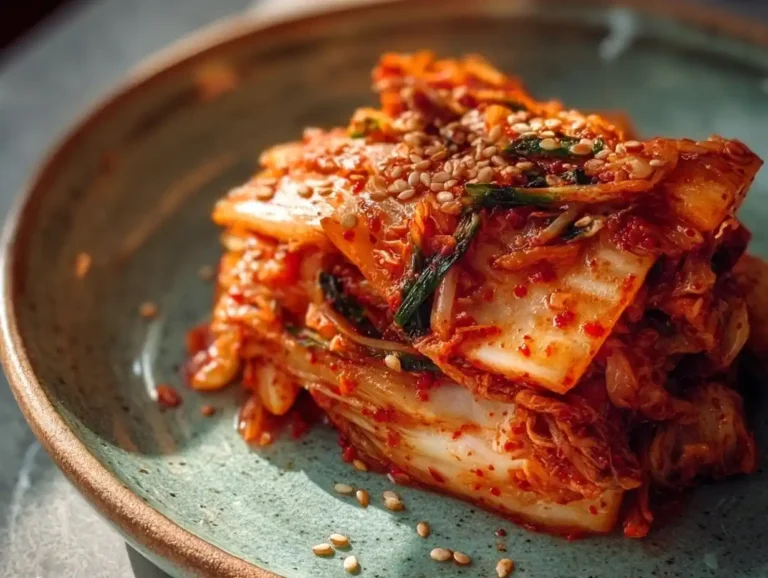
Homemade Kimchi
Discover the art of homemade kimchi with this easy and flavorful recipe. Packed with nutrients from napa cabbage, garlic, and spices, this traditional Korean dish brings zest and health to your table.
- Total Time: 10080 minutes
- Yield: 4 servings 1x
Ingredients
- 1 Large Napa Cabbage
- 1/4 cup Coarse Sea Salt
- 4 cloves Roasted Garlic
- 1 inch piece Ginger, peeled
- 1/2 cup Gochugaru (Korean red pepper flakes)
- 1 tablespoon Smoked Paprika (optional)
- 1 tablespoon Sugar
- 2 Green Onions, chopped
- Water (for brining) As needed
Instructions
- Prepare Your Cabbage: Cut the napa cabbage into quarters and slice them into bite-sized pieces. Soak them in salty water for 2 to 4 hours, flipping occasionally.
- Create the Flavorful Paste: Blend roasted garlic, ginger, gochugaru, smoked paprika (if using), and sugar until smooth.
- Mix the Ingredients: Rinse the cabbage, drain, and combine it with the paste and green onions in a large bowl, mixing thoroughly.
- Pack and Ferment: Pack the mixture into a clean jar, leaving space at the top for gases. Seal the jar and let it sit at room temperature for 1 to 5 days, then refrigerate.
Notes
Using gloves while handling the mixture is advisable due to the spiciness of gochugaru.
- Prep Time: 20 minutes
- Cook Time: 0 minutes
- Category: Side Dish
- Method: Fermenting
- Cuisine: Korean
- Diet: Vegetarian
Nutrition
- Serving Size: 1 serving
- Calories: 50
- Sugar: 1g
- Sodium: 500mg
- Fat: 0g
- Saturated Fat: 0g
- Unsaturated Fat: 0g
- Trans Fat: 0g
- Carbohydrates: 10g
- Fiber: 2g
- Protein: 2g
- Cholesterol: 0mg












No comment yet, add your voice below!