


doner kebab is the kind of street food that grabs you by the nose first, then wins your heart. Maybe you had one after a late night and wondered why it tasted so ridiculously good. Or you tried making it at home and it turned out a little dry or bland. I’ve been there. After a lot of batches, a few flops, and one triumphant backyard grill party, I’ve learned exactly what gives this classic its signature flavor and juicy texture. Today I’m sharing the five savory secrets that make all the difference, with a simple approach you can pull off in your own kitchen.
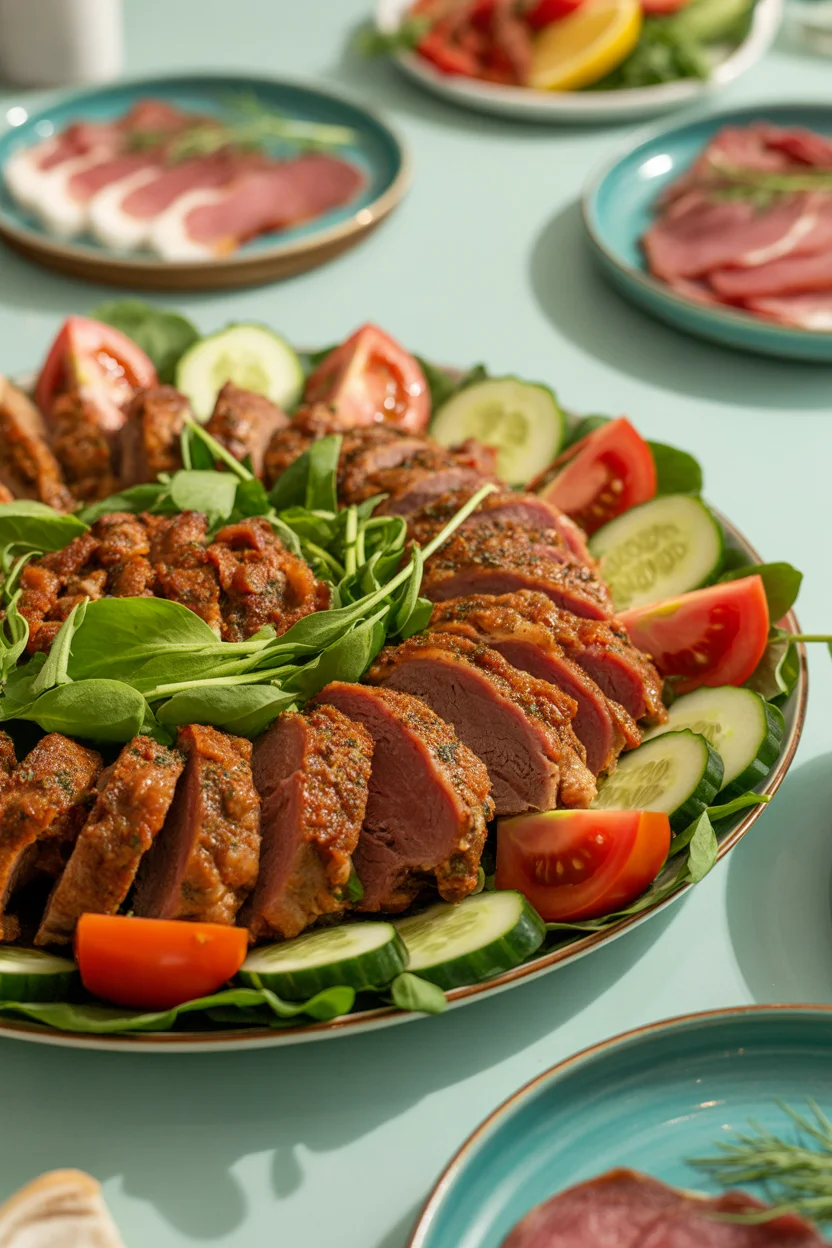
Table of Contents
History
The story of doner kebab goes back to the Ottoman era, where cooking meat on a spit was already a thing. The big breakthrough was turning the spit vertical so the fat self-bastes the stack as it spins. Most food historians point to 19th century Bursa in northwestern Turkey, where cooks refined the method that still inspires today’s shops. The style spread across the region and then surged in Europe in the 20th century. In Germany, especially Berlin, Turkish immigrants popularized it as a fast, fresh street meal piled into bread with salad and sauce. That modern take shaped what many of us know and love.
I first fell in love with it at a tiny corner stand, the kind where the menu is basically just “meat or more meat.” The cook sliced it so thin the edges curled and crisped. That texture contrast is something I chase at home every time.
Here’s the key lesson from history that still matters in your kitchen: a slow spin and steady heat give you juicy centers and crispy edges. You can mimic that balance without special equipment if you know how to layer and cook your meat properly.
Etymology
Let’s clear up the name. In Turkish, “döner” comes from a verb that means “to turn” and “kebab” simply means roasted meat. Over time and across borders, the umlaut often disappears, so many of us write it as doner kebab. The name tells you exactly what it is: turning meat. Simple, literal, and perfect.
My nerdy language note for cooks: when I think of the meaning, I remember to keep the meat moving. Turning is not just about a machine. It’s about even heat and constant basting, which you can imitate in a pan or oven by rotating sheets, flipping once, and letting the rendered fat do its thing.
If you plan to serve it with flatbread, try folding it into fluffy Turkish bread for a softer bite. I like pairing it with something pillowy, almost like a pita. If your kitchen loves baking projects, you might enjoy this kind of bread adventure too: homemade ina-garten zucchini bread for sandwich perfection.
What is doner kebab? And how is it made?
At its heart, doner kebab is seasoned, stacked meat cooked vertically, then shaved thin to serve. At home, we recreate the feel by marinating thin slices, layering them tightly, and roasting until the edges crisp and the center stays juicy. You can use beef, lamb, chicken, or a mix. It’s flexible, which is part of its magic.
The essentials you’ll need
- Meat: Boneless lamb shoulder or beef chuck for that perfect fat-to-lean balance. Chicken thighs work great too.
- Marinade: Yogurt, olive oil, garlic, onion juice or grated onion, tomato paste, paprika, cumin, coriander, a pinch of cinnamon, salt, and pepper.
- Acid: Lemon juice or a splash of vinegar for brightness and tenderizing.
- Tools: A sharp knife for thin slicing, a sheet pan or loaf pan, and foil. A skewering method helps, but is optional.
Step by step you can trust
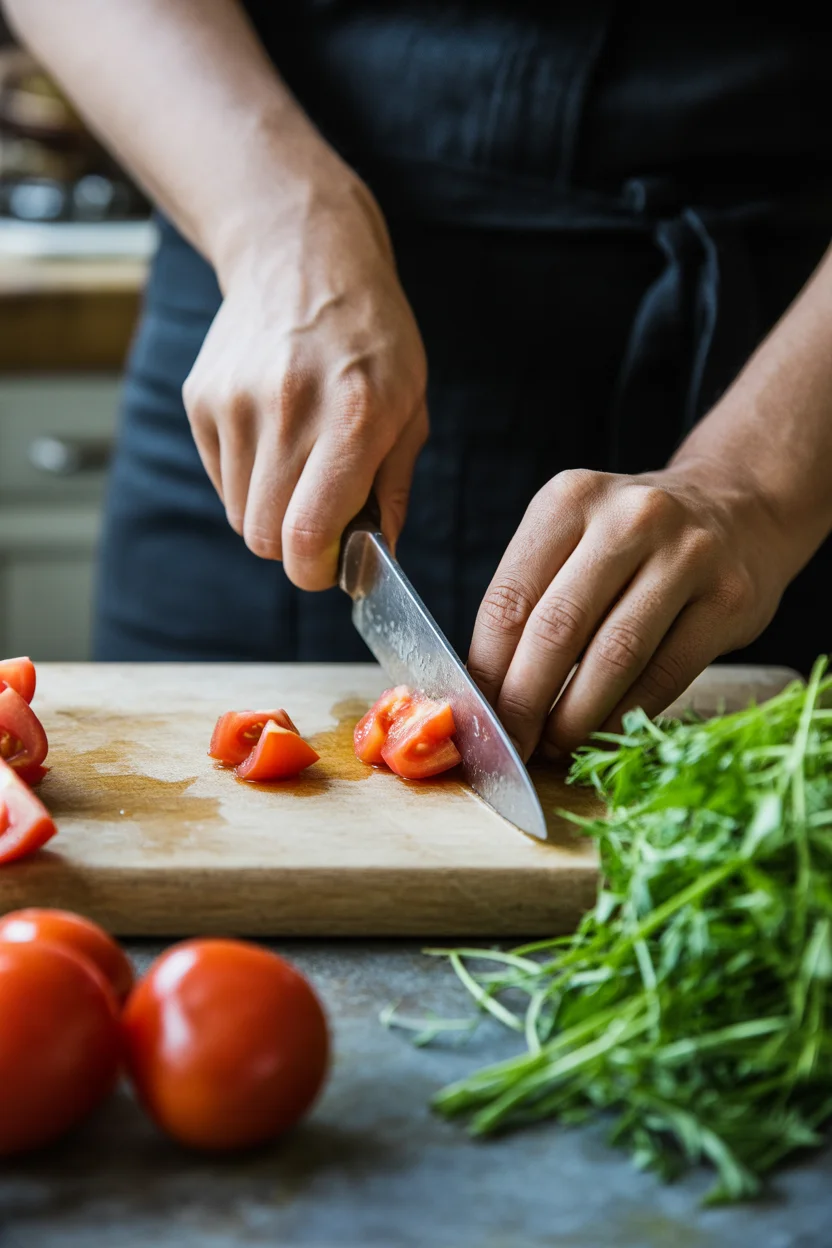
1. Slice thin. This is non-negotiable. Freeze your meat for 30 minutes so it firms up, then slice as thinly as you safely can. Thin cuts mean faster cooking and crispier edges.
2. Marinate long enough. Mix your yogurt, spices, aromatics, and acid. Coat every slice well, then refrigerate for at least 4 hours, ideally overnight. The yogurt tenderizes. The spices bloom. The acid brightens. This is Secret 1: marinade time equals flavor depth.
3. Layer tightly. Either thread slices onto metal skewers and lay them across a rimmed sheet, or simply stack the slices into a snug loaf pan. Press to compress. This is Secret 2: compression gives you those juicy, sliceable layers.
4. Roast low and finish high. Bake at 300 F until the center is just cooked through. Then crank to 450 F or switch to broil for a few minutes to crisp the surface. This is Secret 3: dual-temp cooking for tender interior and charry edges.
5. Rest, then slice. Let it rest for 10 minutes, then shave across the grain into thin ribbons. This is Secret 4: rest time locks in juices.
6. Re-crisp if needed. Toss shaved slices back onto a hot pan for 1 to 2 minutes to get those golden edges. This is Secret 5: finish on a hot surface for that shop-style texture.
When I serve, I pair the meat with cool tangy sauce to balance the richness. If you love a creamy garlic hit, you’ll like a classic yogurt-cucumber blend. Here’s my go-to shortcut: quick tzatziki sauce.
“I tried your low-then-high roast method and my family actually thought I ordered from our favorite spot. The crisp edges without a rotisserie shocked me. It’s going in our weekend rotation.”
Pro move: finely grate a small onion and squeeze out the juice into your marinade. Onion juice is a traditional tenderizer and adds that unmistakable savory-sweet note.
Is doner kebab the same as gyro or shawarma?
They’re cousins, not twins. Greek gyro is often pork or chicken with a different spice profile, and it loves oregano and a pita wrap with tzatziki. Shawarma leans Middle Eastern, often uses warming spices like turmeric and cardamom, and pairs with tahini or garlic sauce. Doner keeps a Turkish character, spotlighting paprika, cumin, coriander, and sometimes a tomato-y marinade. The bread can be pita-like, but you’ll also see durum wraps or sandwich loaves depending on the region.
Another difference is the style of slicing and searing. Shops usually shave thin and let the meat pass by the vertical heat source repeatedly, which gives you that signature crispness. At home, you can mimic the effect by broiling, then giving shaved meat a quick kiss on a hot pan. The result is close enough to satisfy cravings, with the perks of your own fresh toppings and sauces. If you get your technique right, your homemade doner kebab will taste like a night out, minus the line.
Ways to serve these Turkish kebabs
One of the joys of this dish is how forgiving it is. Make a platter and let everyone build their own. You can keep it classic with warm bread and a drizzle, or go lighter with a salad bowl. I like to keep fresh and pickled options in the mix for punchy contrast.
Sauces and sides to try
- Yogurt and garlic sauce: Smooth, cooling, and friendly with spices.
- Spicy red sauce: Tomato paste, red pepper flakes, olive oil, a touch of vinegar.
- Crisp veggies: Shredded lettuce or cabbage, sliced tomatoes, cucumbers, red onion.
- Pickles: A few tart bites brighten the whole wrap.
- Breads: Warm pita, soft flatbread, or a thin durum wrap for a tighter roll.
Serving tip: lightly toast your bread so it stands up to juicy meat and sauces. If you’re packing lunches, keep the sauce on the side so the bread stays firm.
Variations and Substitutions for the Viral Homemade Doner Kebab
If you’re adapting for dietary needs or just using what’s in the fridge, you’ve got options. Chicken thighs are the easiest path to juicy results, especially if you’re nervous about overcooking. For beef, go with chuck, not an ultra-lean cut. Lamb shoulder gives the most classic texture and flavor, and a beef-lamb half-and-half is a great compromise.
For spicing, keep it balanced. Start with paprika, cumin, coriander, black pepper, and salt. Add a pinch of cinnamon for warmth, not sweetness. If you like heat, use Aleppo pepper or crushed red pepper, then taste the marinade before it hits the meat. Too tangy? Add a little olive oil. Too mellow? Another squeeze of lemon and a tiny bit more salt.
Gluten free? Serve over rice or a salad bowl. Low dairy? Swap the yogurt in the marinade for a dairy-free yogurt or even a mix of olive oil and a splash of apple cider vinegar. If you want a deeper red color, add a spoon of tomato paste. For a smoky edge, a pinch of smoked paprika gives you that backyard-grill vibe even in winter.
My last tweak for busy weeknights: marinate and stack on a Sunday, then keep it covered in the fridge for up to 24 hours. Roast when you’re ready. It’s the kind of meal that feels special with not much last-minute work. And if you want a bread pairing that keeps things soft and foldable, I’m a fan of baking a simple flatbread ahead of time, like the one I linked earlier. It makes every bite a little cozier.
Common Questions
What meat works best?
Lamb shoulder is classic, beef chuck is reliable, and chicken thighs are beginner friendly. Use what you love or mix lamb and beef for balance.
How do I keep it juicy?
Thin slices, a yogurt-based marinade, and low-then-high heat. Always rest the meat before shaving so the juices settle.
Can I cook it without a vertical rotisserie?
Absolutely. Stack marinated slices in a loaf pan or skewer and suspend over a sheet pan. Roast low, finish high, then shave and quick-sear.
What’s the best sauce?
A garlicky yogurt sauce is classic. Spicy red sauce is great too. I like to offer both so people can mix to taste.
How thin should I slice?
As thin as you can safely manage. A partial freeze helps. Thinner slices cook evenly and crisp better after shaving.
A friendly wrap up before you preheat the oven
Let’s bring it home. The keys to an unforgettable doner kebab are a flavorful marinade, tight layering, low-then-high heat, a proper rest, and a hot finish for crispy bits. Keep the toppings fresh and the bread warm. If you want to read more about this dish’s roots and variations across countries, the overview on Doner kebab – Wikipedia is a solid primer. I hope you try this method soon and taste how close homemade can get to your favorite shop. When that first slice curls and crisps, you’ll know you nailed it.
Print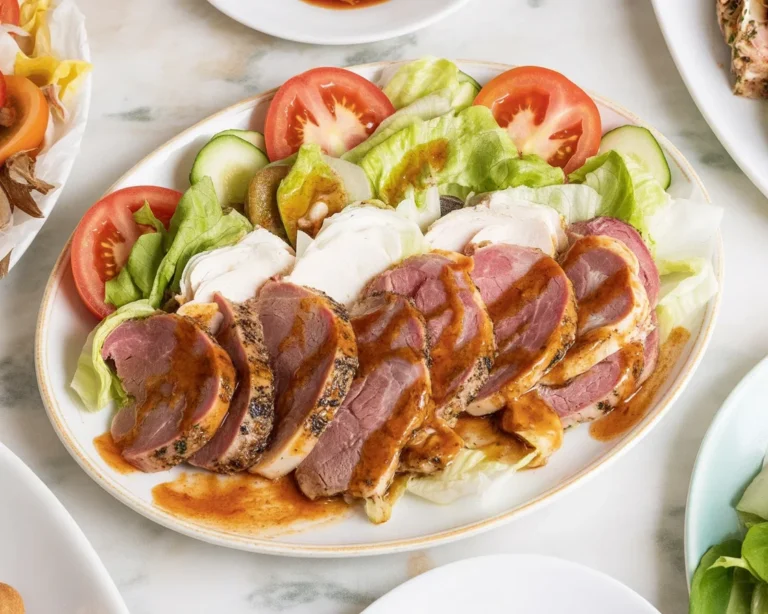
Homemade Doner Kebab
A flavorful and juicy homemade version of the classic Turkish street food, doner kebab, perfect for any occasion.
- Total Time: 300 minutes
- Yield: 4 servings 1x
Ingredients
- Boneless lamb shoulder or beef chuck
- Chicken thighs (optional)
- 1 cup yogurt
- 2 tbsp olive oil
- 2 cloves garlic, minced
- 1 onion, grated or juiced
- 2 tbsp tomato paste
- 1 tsp paprika
- 1 tsp cumin
- 1 tsp coriander
- 1 pinch cinnamon
- Salt and pepper to taste
- 2 tbsp lemon juice or vinegar
Instructions
- Freeze the meat for 30 minutes, then slice it thin.
- Mix yogurt, spices, aromatics, and acid. Coat the meat and refrigerate for at least 4 hours, ideally overnight.
- Layer the sliced meat tightly in a loaf pan or thread onto skewers.
- Bake at 300°F (150°C) until just cooked, then increase to 450°F (230°C) or broil to crisp the edges.
- Let the meat rest for 10 minutes before slicing thinly against the grain.
- Optionally, re-crisp on a hot pan for 1-2 minutes.
Notes
For a creamy garlic sauce, serve with tzatziki. Use high-quality meat for the best flavor.
- Prep Time: 240 minutes
- Cook Time: 60 minutes
- Category: Main Course
- Method: Roasting
- Cuisine: Turkish
Nutrition
- Serving Size: 1 serving
- Calories: 450
- Sugar: 5g
- Sodium: 500mg
- Fat: 18g
- Saturated Fat: 6g
- Unsaturated Fat: 10g
- Trans Fat: 0g
- Carbohydrates: 30g
- Fiber: 2g
- Protein: 30g
- Cholesterol: 90mg




No comment yet, add your voice below!